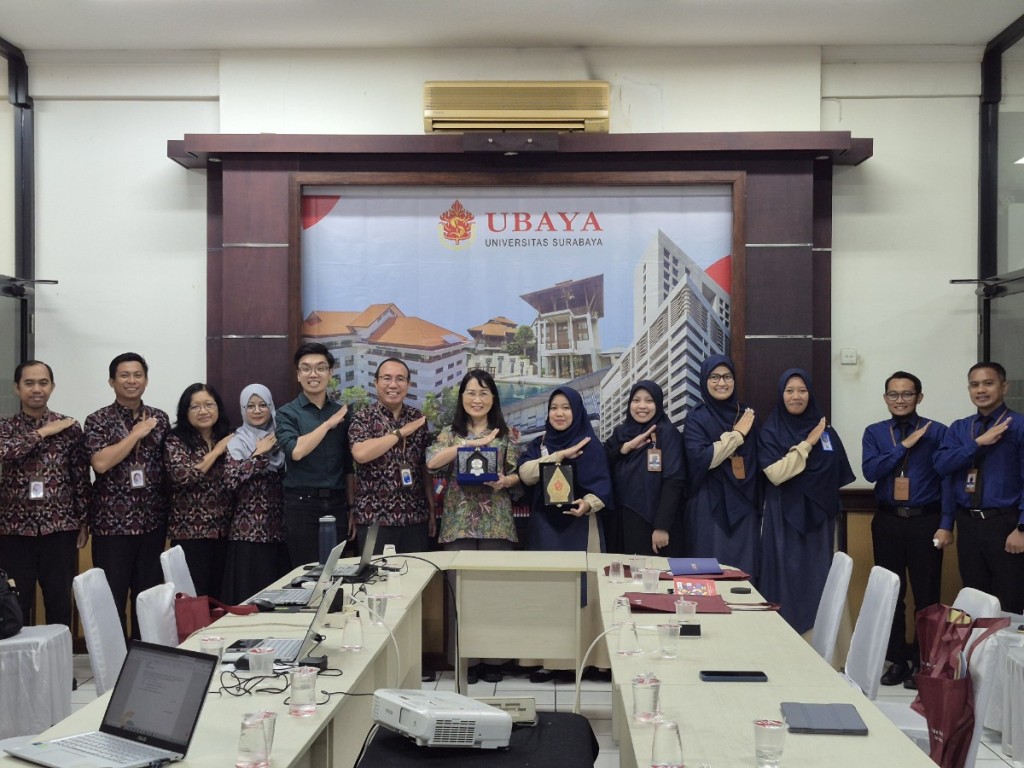
To enhance the quality of institutional management and effectiveness of human resource development, two main units of Thursina International Islamic Boarding School (IIBS), Human Capital Management (HCM) and the Thursina Excellent Institute (Texin), held an Experiential Visit to the University of Surabaya (UBAYA). It is part of Thursina's concrete steps to build an adaptive, measurable educational and institutional management system, aligning with professional standards in modern higher education.
Ustazah Dian Asmi Setoningsih, M.Pd., the Chief of Human Capital Management (HCM), explained that the visit focused on benchmarking the HR assessment system and career path development. The Thursina HCM team learned firsthand how UBAYA implements performance evaluation mechanisms, potential assessments, development programs, and employee career paths based on meritocracy and competency.
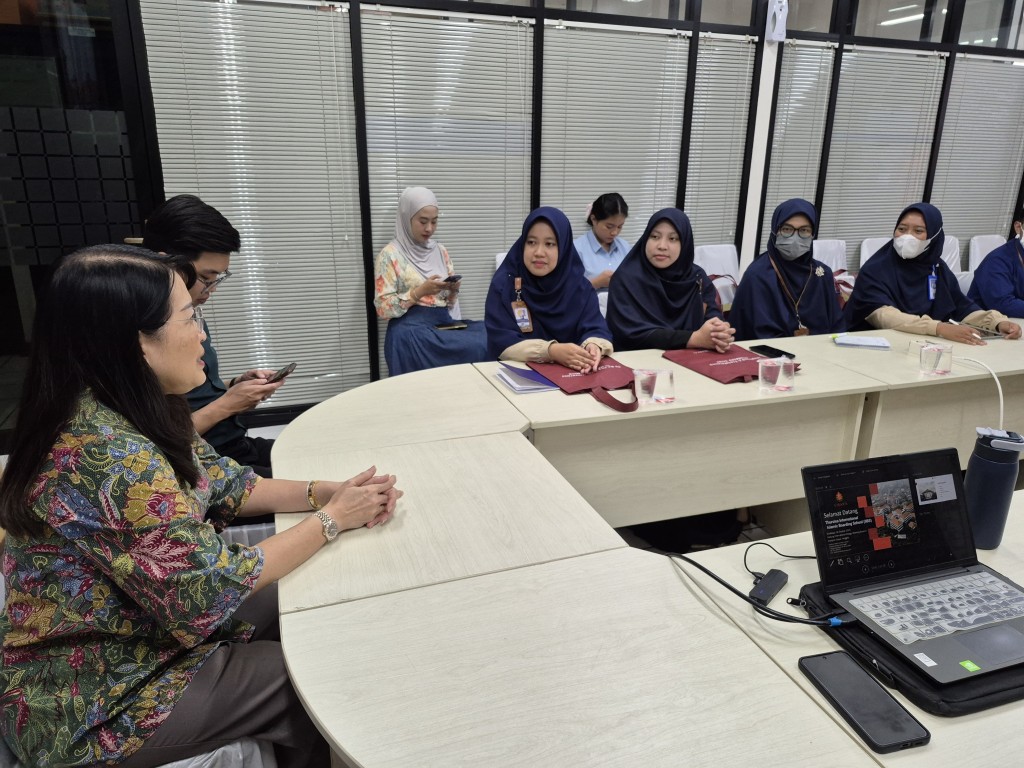
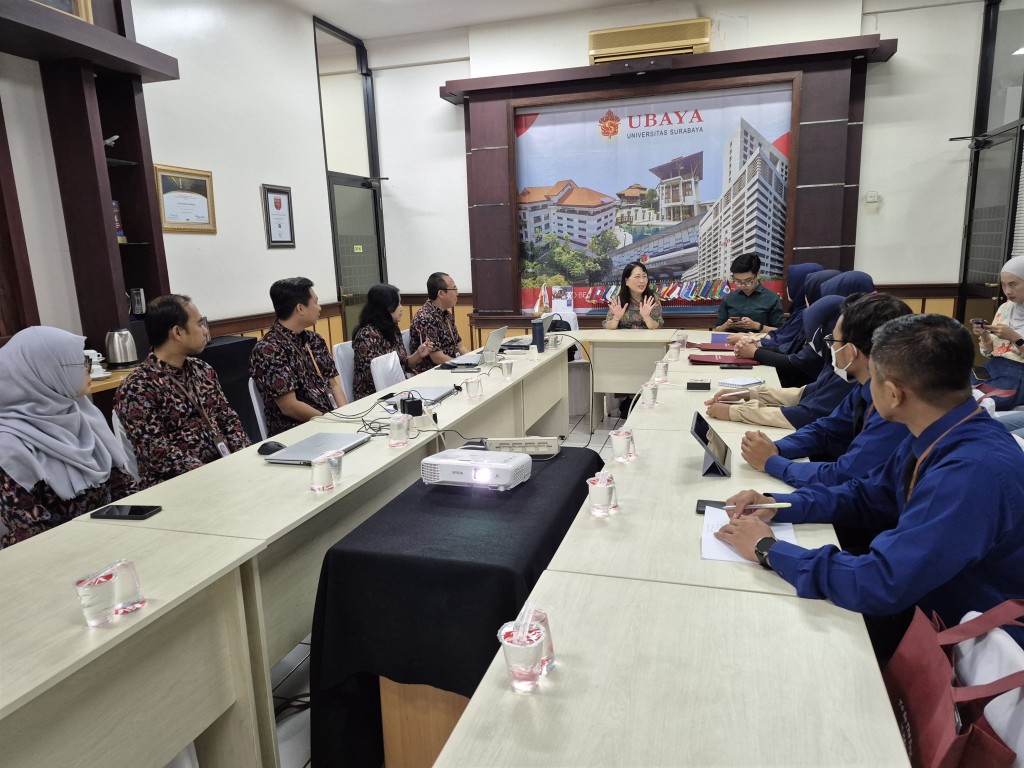
"We want to ensure that human resource management at Thursina is not merely administrative, but also oriented to developing long-term potential," said Ustazah Dian.
"Moreover, the system of UBAYA provides inspiration in designing a more transparent and motivating career model for both teachers and staff," she continued.
Meanwhile, Ustazah Hilmia Wardani, M.Pd., the Chief of Thursina Excellent Institute, explained that the learning focused on benchmarking communication across faculties and centers at UBAYA. The Texin team explored how the university built an effective communication system among units, encompassing internal regulations, academic coordination, and collaboration-based service schemes. "UBAYA has a remarkably-organized system for managing relationships between faculties and study centers, with clear, data-driven communication roles. It is a crucial learning experience for Texin to strengthen the internal coordination function at Thursina," explained Ustazah Hilmia.
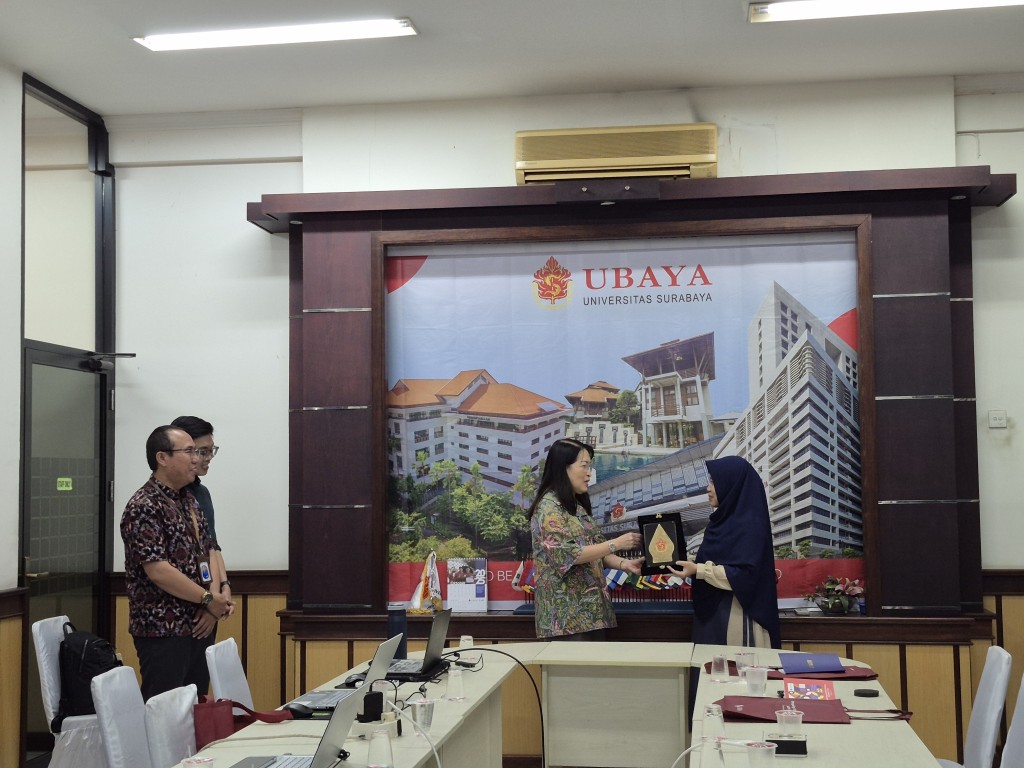
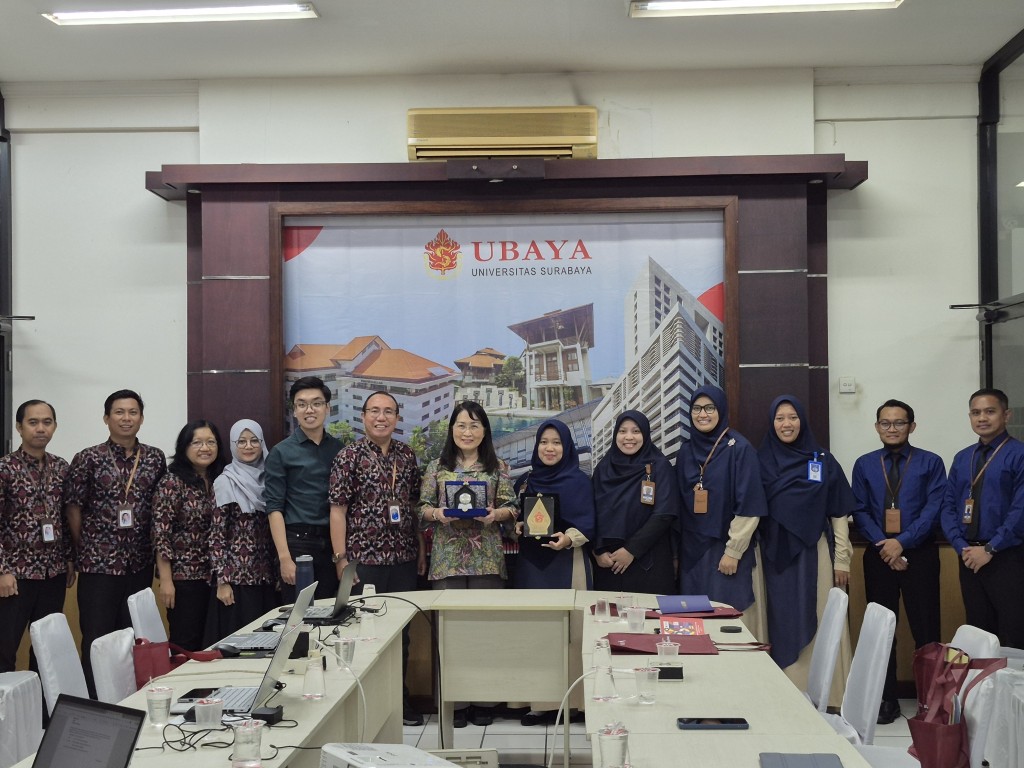
Both units also engaged in dialogue with UBAYA management regarding best practices in managing a collaborative work culture and developing research-based institutional innovation and continuous evaluation.
Through the visit, Thursina hopes to implement a more adaptive, professional system oriented toward improving the quality of educational services. The synergy between human resource development and institutional governance is a strategic step in strengthening the foundation of an excellent and internationally competitive institution. Both Ustazah Dian and Ustazah Hilmia agreed that this kind of collaboration is not only a learning opportunity but also a reflective moment for Thursina to develop highly. "We learned a lot from UBAYA about the importance of systems, a professional culture, and synergy among departments. Hopefully, this experience will be a catalyst for quality improvement in Thursina, both in human resources and academics," they concluded. (iz/lil)